


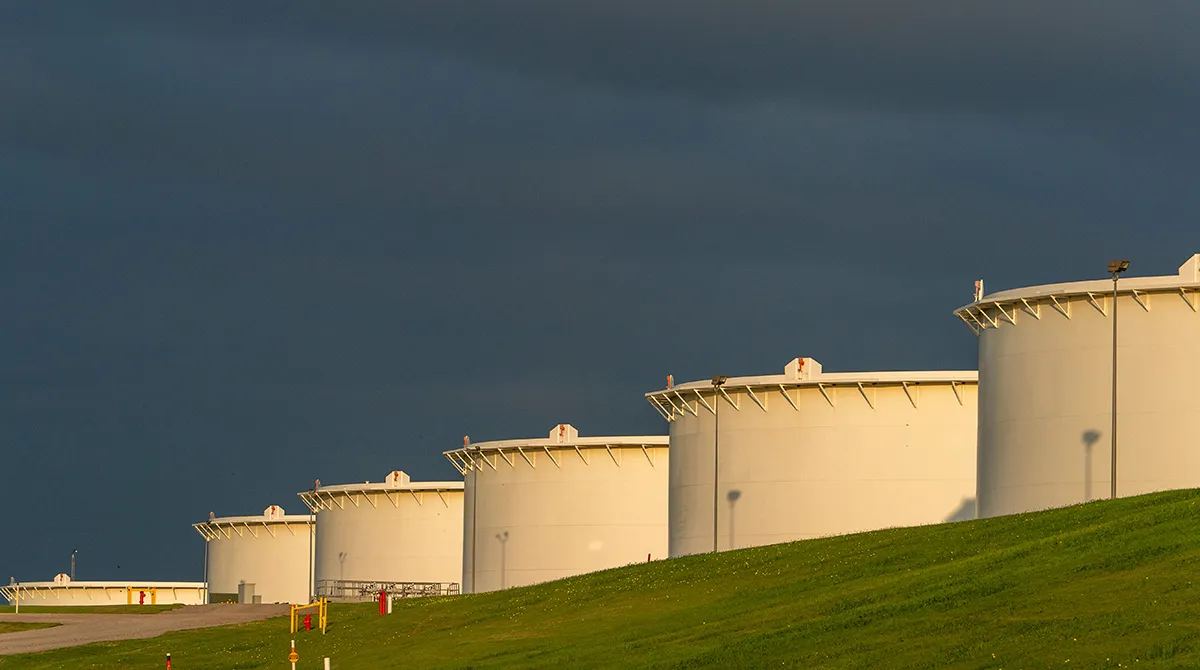
Market Insight: The ongoing conflict involving Iran has led to notable increases in oil prices, creating ripple effects across the global logistics and shipping sectors. Rising fuel costs directly influence freight rates and operational expenses for carriers.
Key Takeaways
- Oil prices have surged amid geopolitical tensions, driven by concerns over supply disruptions in the Middle East.
- The heightened volatility is increasing uncertainty for transportation and shipping costs globally.
- Some shipping routes may face delays or rerouting due to elevated regional risks.
- Fuel surcharges are expected to rise, impacting the total cost of freight services.
Why It Matters for Shippers
For businesses relying on efficient and cost-effective transport, understanding oil price trends is essential. Increased fuel costs translate into higher freight rates, which can squeeze margins or lead to increased consumer prices. Additionally, geopolitical risk factors may necessitate adjustments in route planning and inventory strategies to mitigate potential disruptions.
What To Watch
Shippers should closely monitor developments in Middle Eastern geopolitics and their impact on crude oil markets. Tracking fuel price indices and carrier fuel surcharge adjustments can provide early signals for budgeting and contract negotiations. Furthermore, diversification of supply chains and contingency planning are prudent steps to reduce exposure to regional conflicts.
Source: Transport Topics – Oil Prices Progress Amid Iran War
Source: Original article/source
This article is provided for general logistics and transportation information and should not be considered legal, financial, or operational advice.