


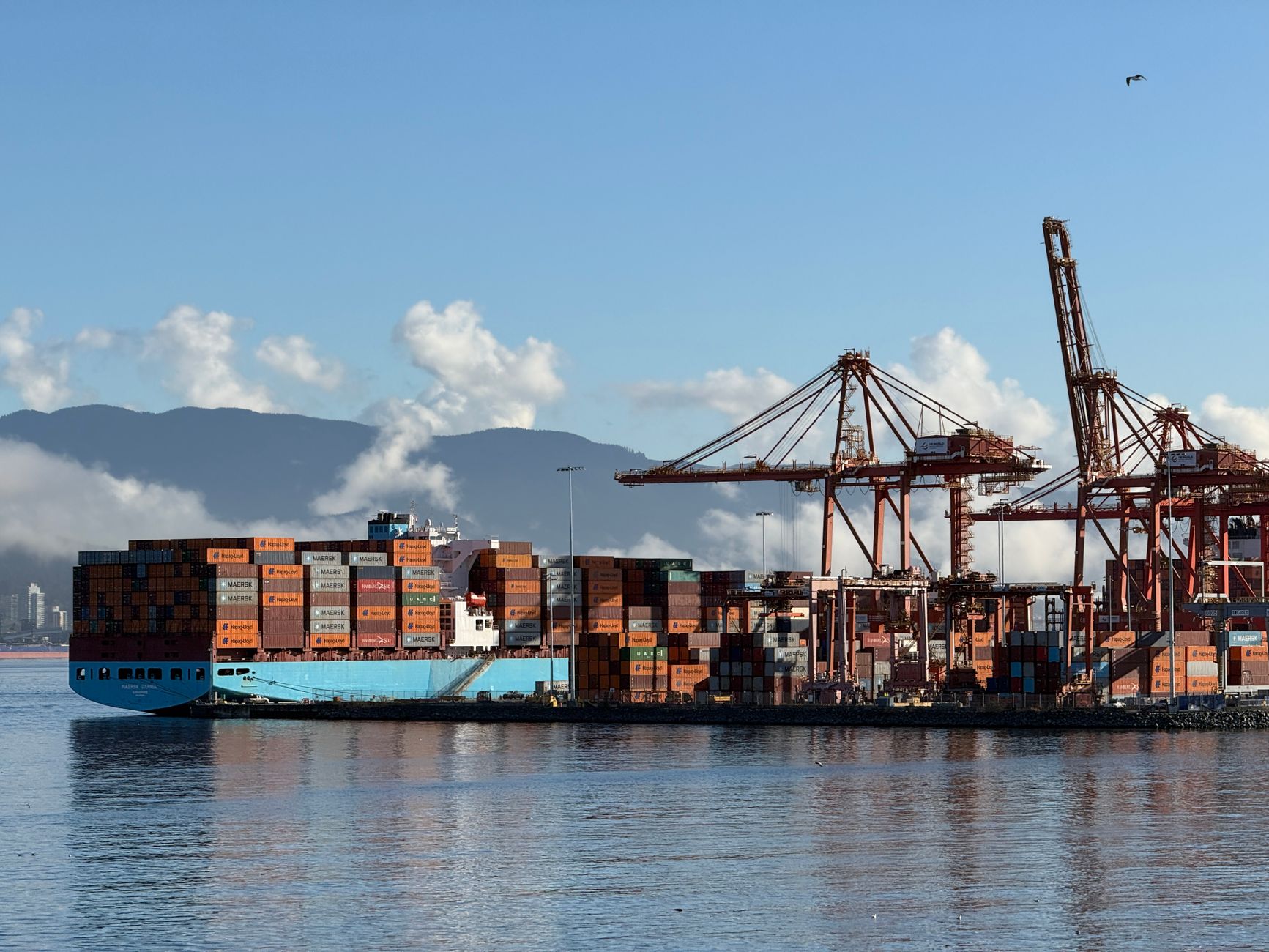
Market Insight: The New Normal for Ocean Freight Rates
After a period of unprecedented rate surges during the pandemic, ocean freight pricing has entered a phase of relative stabilization. However, this does not imply a return to pre-pandemic conditions. Instead, the industry faces a complex web of challenges that could influence shipping costs and operational efficiency in the near future.
Key Takeaways
- End of Rate Wars: The aggressive rate hikes seen during the pandemic have subsided, with carriers adjusting to normalized demand levels.
- Inflation Pressures: Rising global inflation is exerting upward pressure on operational costs, potentially keeping freight rates elevated.
- Port Congestion and Labor Issues: Persistent congestion at major ports and labor shortages continue to disrupt schedules and increase turnaround times.
- Geopolitical and Supply Chain Risks: Ongoing geopolitical tensions and supply chain fragilities introduce uncertainty into the ocean shipping market.
Implications for Shippers
For shippers, the stabilization of rates is a welcome change but does not equate to predictability. Inflation and operational bottlenecks could lead to sporadic rate fluctuations and delays. Strategic planning, including diversified sourcing and flexible logistics arrangements, will be crucial to mitigating risks.
Looking Ahead: What Businesses Should Monitor
Businesses should keep a close eye on inflation trends and port operational efficiencies, as these factors will directly impact shipping costs and delivery reliability. Additionally, geopolitical developments and labor market dynamics in key shipping hubs warrant continuous monitoring to adapt logistics strategies proactively.
Source: FreightWaves – Wars Over But Ocean Rates Face Raft of Challenges
Source: Original article/source
This article is provided for general logistics and transportation information and should not be considered legal, financial, or operational advice.