


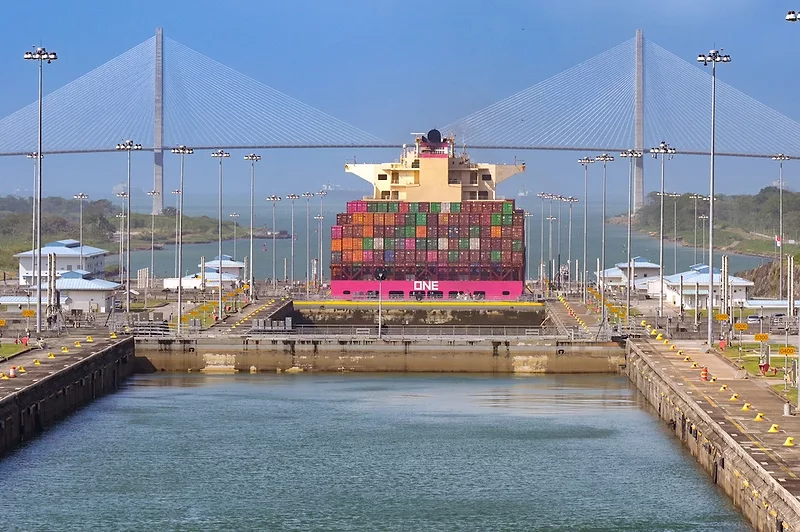
The Panama Canal, a critical artery in global maritime trade, is currently experiencing significant backlogs due to falling water levels. This challenge is highlighting vulnerabilities in supply chain logistics that rely heavily on this passage.
Key Highlights
- Water levels in the Panama Canal have dropped to levels that limit vessel transit capacity.
- Backlogs of ships waiting to pass through the canal have grown, causing delays in shipping schedules.
- Restrictions on vessel drafts have forced operators to reduce cargo loads, impacting efficiency and costs.
Implications for Shippers
For shippers, these delays translate into longer transit times and increased uncertainty, potentially leading to inventory shortages and higher freight expenses. Companies relying on just-in-time delivery models may face disruptions, emphasizing the need for contingency planning.
What to Monitor
Businesses should closely watch weather and water level forecasts affecting the Panama Canal, as well as any operational adjustments or restrictions announced by canal authorities. Exploring alternative routes or scheduling flexibility could mitigate some risks during this period.
Understanding these dynamics is essential for maintaining supply chain resilience amid environmental and operational challenges.
Source: Original article/source
This article is provided for general logistics and transportation information and should not be considered legal, financial, or operational advice.