


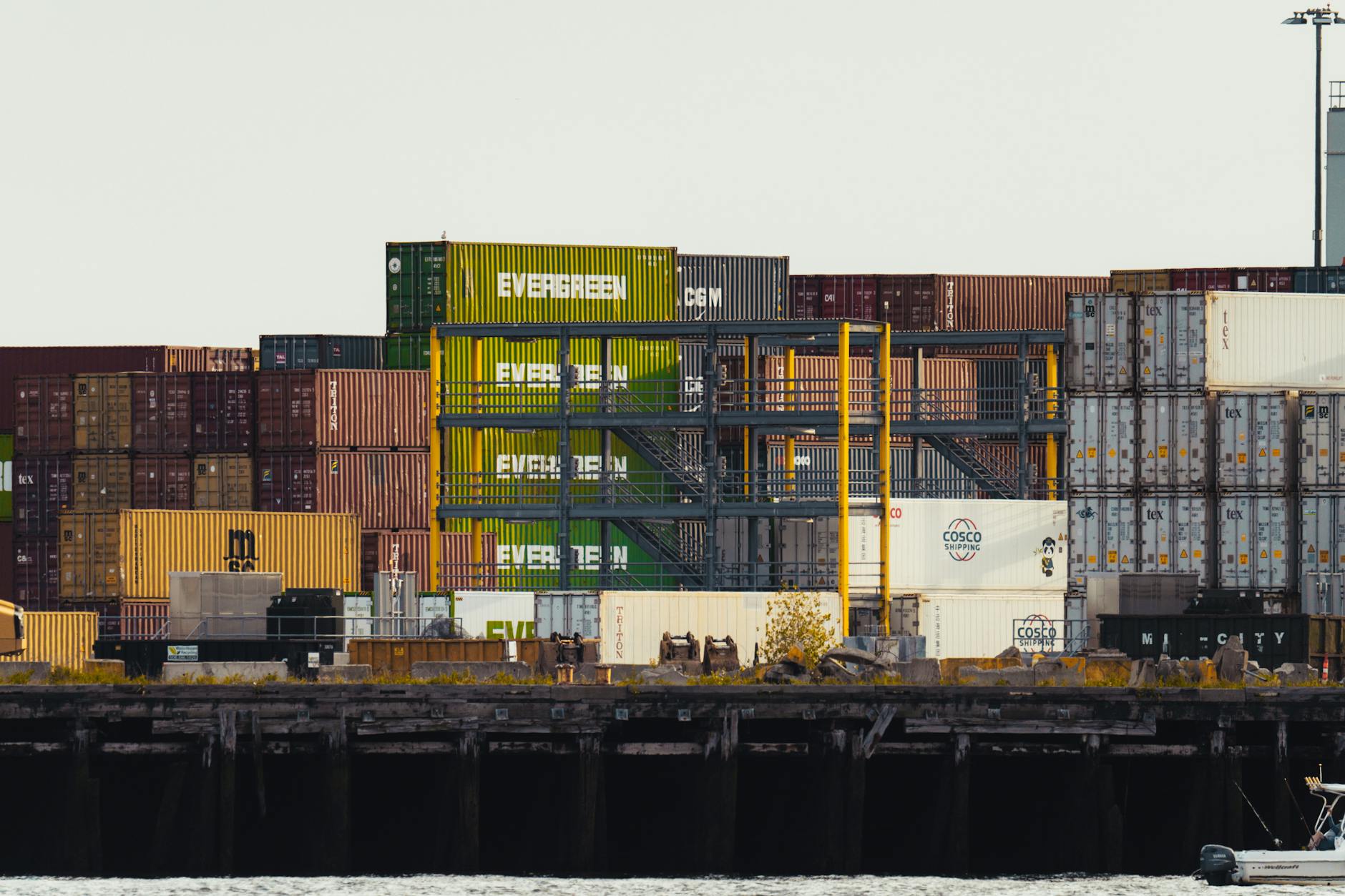
Answer First: Why Are Trucking and Logistics Firms Expanding Rapidly in the U.S.?
Trucking and logistics companies are investing heavily in expanding their U.S. operations to address growing demand, supply chain complexities, and labor shortages. This strategic growth aims to improve capacity, speed, and reliability for shippers navigating today’s dynamic market.
Key Takeaways
- Rising demand: E-commerce growth and reshoring efforts are driving increased freight volumes across the U.S.
- Capacity challenges: Companies are expanding terminals, fleets, and technology to overcome persistent capacity shortages.
- Labor focus: Recruitment and retention of drivers and warehouse workers remain critical to expansion success.
- Regional investments: Firms are targeting key markets and corridors to optimize network efficiency.
- Technology integration: Advanced data analytics and automation play a growing role in managing expanded operations.
What This Means for Shippers
For shippers, these expansions translate into more available capacity and potentially faster transit times—but also increased competition for premium capacity and labor. It’s vital to partner with logistics providers who have a clear expansion strategy backed by technology and workforce development.
Shippers can benefit by:
- Leveraging expanded service footprints for improved route planning.
- Collaborating closely with carriers to secure capacity ahead of peak periods.
- Utilizing data-driven insights from providers to optimize shipping schedules and reduce costs.
Industry Perspective: Navigating the Expansion Era
The U.S. logistics landscape is evolving rapidly. Companies doubling down on infrastructure investments are positioning themselves to better serve complex supply chains and volatile demand patterns. However, expansion brings challenges, including integrating new facilities and workforce onboarding, which require careful management.
From a carrier standpoint, expanding fleets and terminals is necessary to remain competitive but must be balanced against rising operational costs and regulatory pressures.
Frequently Asked Questions
- Why are logistics firms focusing on U.S. expansions now?
- Growth in domestic freight demand, reshoring of manufacturing, and e-commerce acceleration have created pressure on existing capacity, prompting firms to invest in expanding their U.S. presence.
- How does this impact shipping costs?
- While expanded capacity can ease pricing pressure, investments in labor and infrastructure may lead to temporary cost fluctuations. Long term, improved efficiency can help stabilize or reduce costs.
- What should shippers look for in logistics partners during expansion?
- Prioritize partners with transparent expansion plans, strong technology capabilities, and proven workforce strategies to ensure seamless service.
- Are there risks associated with rapid expansion?
- Yes, risks include operational disruptions, integration challenges, and potential quality inconsistencies. Selecting experienced partners mitigates these risks.
At Brighter Logistics, we continuously monitor these market shifts to ensure our clients benefit from the latest expansions and innovations. Partner with us to navigate the evolving U.S. logistics environment confidently.
This article is provided for general logistics and transportation information and should not be considered legal, financial, or operational advice.