


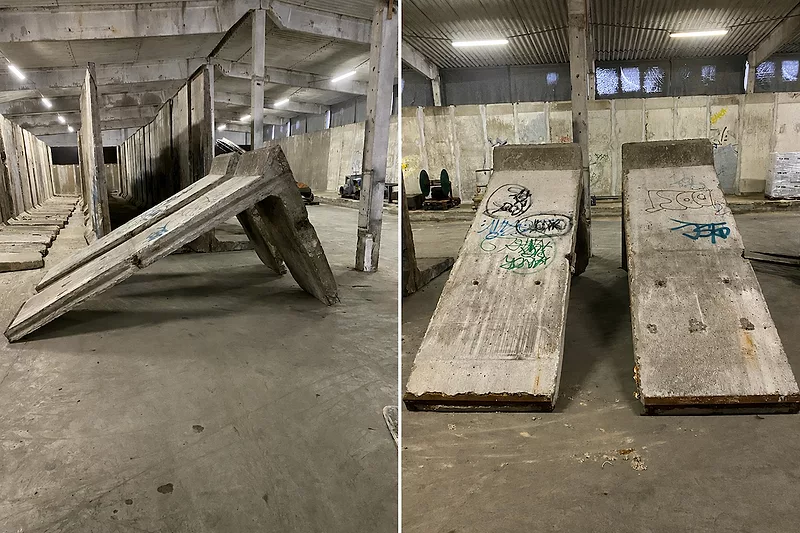
The recent transport of Berlin Wall segments to Arkansas offers a fascinating glimpse into the specialized logistics required for moving historic artifacts. This operation involved meticulous planning, specialized handling, and multi-modal shipping strategies to ensure the preservation and safe delivery of these culturally significant pieces.
Key Insights
- Complex Coordination: Moving large, fragile concrete sections required collaboration among shipping companies, customs authorities, and preservation experts to mitigate risks.
- Customized Handling: Special crating and cushioning methods were essential to protect the segments from damage during transit.
- Multi-Modal Transport: The operation utilized a combination of road, sea, and rail transport to efficiently navigate international borders and logistical constraints.
Implications for Shippers
For logistics providers and shippers, this case underscores the value of adaptability and cross-sector collaboration when handling unique cargo. Preservation of delicate or historic goods demands innovative packaging and routing solutions alongside thorough regulatory compliance.
What to Monitor
Businesses should watch for emerging best practices in transporting atypical or sensitive freight, as demand grows for moving cultural artifacts and oversized items with minimal risk. Advances in packaging technology and intermodal coordination will be critical areas of development.
Source: SupplyChainBrain – “Behind the Logistics That Brought the Berlin Wall to Arkansas”
Source: Original article/source
This article is provided for general logistics and transportation information and should not be considered legal, financial, or operational advice.